
Q&A with Nicolas
Nicolas Ronco
Senior Advisor
Snapshot:
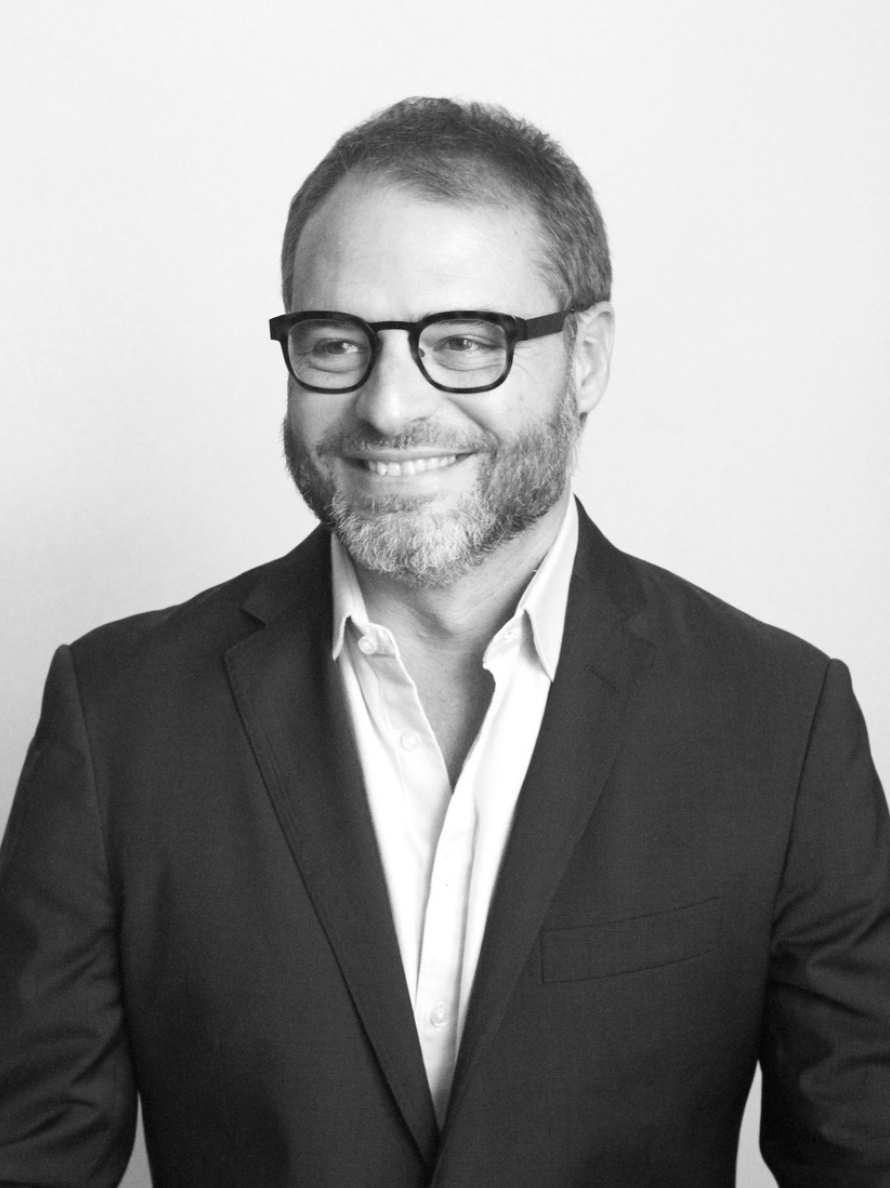
Location: Portugal Core Expertise: Business Development Key Sectors: Hospitality/Wellness Industries. Top Three Skills: Processes. Branding. Empathy. Worth To Know: I love Humans and their quirks. When you understand how human function, you can unlock a lot of potentials in an organisation. Empathy is the key skill behind proper leadership.
You founded YeloSpa and grew it into an international wellness brand featured in The New York Times, Vogue, CNN, and CNBC. Is there a particular moment or milestone in building or scaling YeloSpa that best captures your approach to entrepreneurship and brand innovation?
YeloSpa was not an immediate business success and we had to twick the concept quite a bit (also the 2008 financial crisis happened a year after we opened in NYC). But it was an immediate branding and press success. I realized that I loved speaking to the press and being an evangelist for the importance of sleep in our health, vitality and quality of life. When we were approached after only 3 years in business to start licensing and franchising the YeloSpa brand, I was thrilled because I saw others understand the vision and adopting it as well.
I actually learned a lot from my licensees in Puerto Rico and Brazil. It’s really so beautiful and fulfilling to see other humans take your baby and run with it. There was a philosophy and an element of very advanced design at YeloSpa that seduced clients and partners alike.
I also loved constantly improving processes and flow in order to improve our clients experience. And our high score in clients feedback and scores confirmed that we were on the right track. We also used technology a lot improve the human experience, both for clients and employees.
I recently did a DISK (Directive, Influencer, Stable, Confiormist) test to undertand better my leadership and work style. According to this test, I am both Directive and Stable; in orther words I am action and decision oriented but also like cooperation and consistency. I am defintely a non conformist and always wonder what I can bring to the table that has value and that hasn't been done before.
For YeloSpa for example, I turned all the wellness processes and standards on their head. In 2007, it was a very boring and conservative industry that did not innovate at all, and didn’t really care about clients’ needs, contrary to their mantra.
I was a very frustrated wellness client myself and decided that we could and should do better. We introduced a very high degree of customzation for the clients treatments as well as minimized time wasted and frictions in check-in and intake. The goal was for clients to come in and spend as much time as possible in treatments instead of filling out forms.
We used the technology available to us at that time, with Ipads and touch screens and we even had to develop our own Point Of Sale software to capture as much client data as possible. Everything we did was centered around our clients experience. The streamlining was good for them and for the business.
You’ve worked across wellness, hospitality, SaaS, and global media companies. What do you believe sets you apart in the way you help brands innovate, scale, or rethink their customer experience?
As a consultant to wellness, hospitality, and tech ventures today, what types of projects or partnerships are you most excited to explore next?
I always prefer to work on projects which have a real human purpose. I always ask founders “what is your intention? what do you think your project is brining to the table? Is there an unmet need that you’re trying to fulfill?” Hospitality and wellness are by definition people businesses — or at least they should be. So my focus is always on how the business is helping humans and organizations be either happier and more efficient. These are the projects and partnerships that excite me.
The Wellness industry is growing at 7% per year and is now a $6.8 trillion industry according to the latest Global Wellness Institute report. The important consumer trend to understand and appreicate is that people are now more excited to spend money on experiences than objects and products. This is why the luxury industry is suffering and the wellness and hospitality industries are thriving; ADR and RevPar are growing way faster than the inflation.
The younger generation is also more demanding in terms of their expectations; they want better service of course, but also more imagination. Information is circulating fast through social media and consumers are not going to settle for the same old same old. And I think that this is great news because it will level the playing field and the more nimble organizations will have a better shot at success.
I also believe that culture eats strategy for breakfast. What this means is that the culture of the organization is the number one success (or failure) factor. Strategy is important of course, but execution really drives success. And execution is made by people (at least for now), AI cannot create culture (it can only copy it) and this is good news for us, humans. Amazon and Google are a great example of that.
Their founders (you may like them or not) have created a very particular cultures that allowed them to hire a certain kind of people and also instaure processes that were in line with their priorities and visions. I believe that this was key to their amazing success.
As Vice Chair of the Immersion Initiative at the Global Wellness Institute, what is one emerging trend in wellness or hospitality that leaders should be preparing for now?
What motivated me was the quality of the people; the advisors and the founders. They checked the box I mentioned above; they have a vision, they're striving to fulfill unmet needs in the market, there is a huge reservoir of talents and skill sets to accomplish that.
What motivated you to join PoE Advisory?