
Q&A with Marc
Marc Boesmans
Senior Advisor
Snapshot:
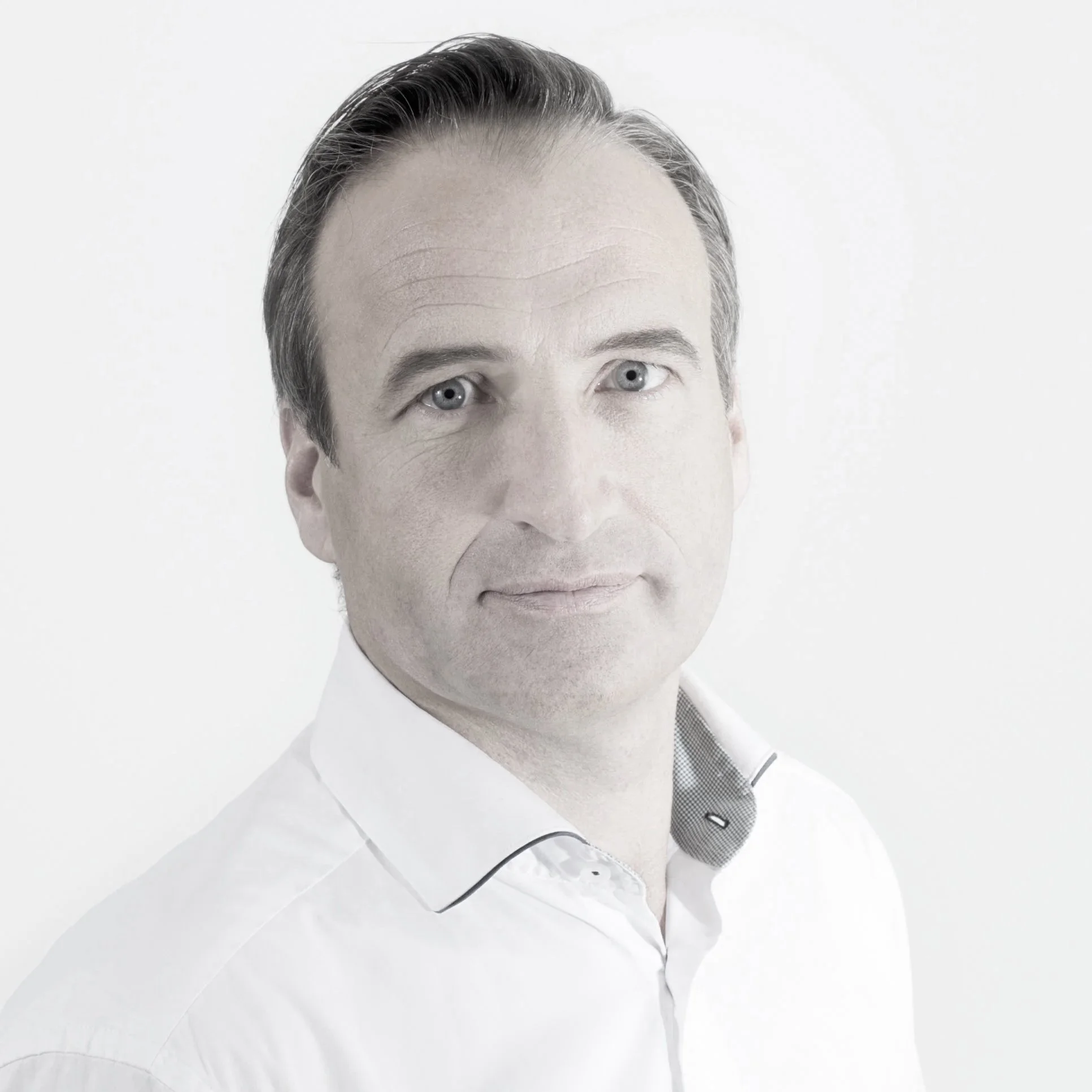
Location: The Netherlands Core Expertise: Restructuring, transformation and enabling growth Key Sectors: IT, Financial Industry Top Three Skills: Analytical, Strategic, Stakeholder Management Worth To Know: Very addicted to sailing and likes working with other

You’ve led multiple companies through transformation, integration, and successful exits - from Innovact and Piramide Finance to the sale and integration of Idella Group into Visma. Is there one project that best illustrates the impact you bring as an interim CEO and transformation leader?
A project that clearly reflects the impact I bring as an interim CEO and transformation leader is the work I led at Piramide. When I took on the role, the company had strong potential but needed clearer positioning, sharper focus, and a more future-proof business model.
I started by driving a comprehensive rebranding. At the same time, I introduced greater strategic focus, ensuring that resources, product development, and commercial efforts were aligned around the areas where Piramide could deliver the most value.
A central part of the transformation was leading the company toward a SaaS-oriented operating model. This shift modernised the business, strengthened recurring revenue streams, and made the organisation far more scalable and resilient.
With this foundation in place, I guided the company through a successful exit. The transaction created significant value for the shareholders and ensured continuity and enhanced long-term prospects for customers.
This journey at Piramide demonstrates my ability to reposition a company, modernise its business model, and deliver an exit that works for all key stakeholders.

What sets me apart when stepping into organisations undergoing change is a combination of analytical clarity, people-centric leadership, and a strong focus on long-term strategic sustainability.
First, I bring strong analytical abilities that allow me to quickly distinguish what truly matters from what is merely noise. In complex or pressured environments, this enables me to identify the core issues, define priorities, and drive decisions with speed and confidence.
Second, I focus heavily on empowering key people within the organisation. Transformation only succeeds when the right individuals are in the right roles and feel both ownership and support. I make it a priority to unlock their strengths, align teams around a common direction, and build momentum from within rather than imposing change from the outside.
Finally, I look beyond immediate fixes and concentrate on the strategic sustainability of the business model. My goal is not just to stabilise an organisation, but to ensure it is positioned to grow, compete, and create value over the long term.
This combination of rapid insight, enabling the organisation’s talent, and building a future-proof strategy is what defines my impact in environments that require decisive and effective transformation.
You’ve held CEO, Managing Director, and interim leadership roles across IT services, financial software, and consulting. What do you believe sets you apart when stepping into organisations undergoing change?

Having worked across financial services, IT, and high-growth transformation environments, what types of challenges or mandates are you most excited to take on in your next chapter?
In my next chapter, I am most excited to take on mandates where a company is at a pivotal moment - whether that’s scaling rapidly, redefining its business model, or navigating a complex transformation.

One trend boards and CEOs in financial services and technology should be paying much closer attention to is the integration of intelligent automation and AI into core business processes, not as a side initiative, but as a fundamental redesign of how the organisation operates.
Many companies still view AI as a productivity tool or an add-on to existing workflows. But the real impact is in re-architecting products, risk models, client interactions, and operational processes around data-driven intelligence. This shift will dramatically change cost structures, customer expectations, and competitive dynamics.
With your experience at the intersection of financial services and technology, what is one trend you believe boards and CEOs should be paying closer attention to right now?
What motivated me to join the PoE organisation is the collective knowledge, experience, and energy that comes from bringing together seasoned leaders. The strength of the network lies in its diversity.
Being part of a community like this creates an environment where ideas can be challenged, tested, and improved through real-world experience rather than theory. Within PoE Advisory, I hope to team up on mandates where a combination of perspectives and skills can create more impact than any of us could deliver alone.
What motivated you to join PoE Advisory? How do you hope to collaborate with other leaders within the organisation?